
Oct 27, 2025
What to Look For in a Slowpitch Softball Glove
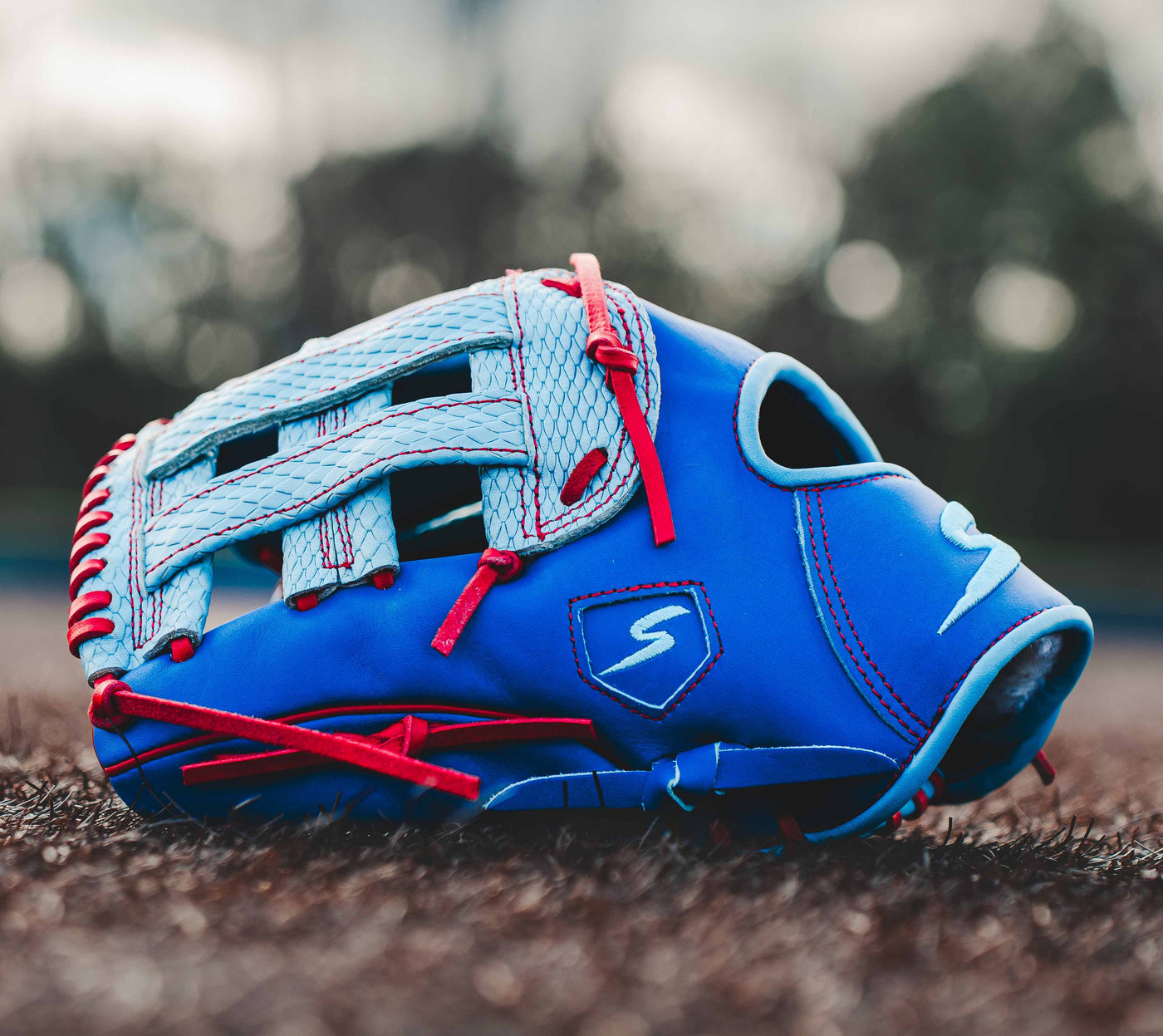
What to Look For When Choosing a Slowpitch Softball Glove
Finding the right slowpitch glove isn’t about chasing the newest model or flashiest color — it’s about finding something that actually fits your game. Whether you’re new to the game or just looking for a quick softball glove buying guide, this breakdown covers what to look for in your next glove.
Here’s what really matters when you’re picking one out.

1️⃣ Leather Quality: Kip vs. Steerhide
The heart of any good glove is the leather.


- Japanese Kip Leather – Lightweight, smooth-grained, and built for players who like a clean, precise feel. Kip gloves break in quicker but tend to be a little softer long-term.
- American Steerhide – Heavier and tougher. These gloves are stiffer out of the box, but they last forever once you get them shaped. If you like a glove that fights back during break-in and holds its form season after season, steerhide is your friend.
A quick tip: if you want a glove that feels ready faster, go Kip. If you want something that feels like a tank, go Steerhide.
2️⃣ Position & Size
Your position dictates your pocket.


- Infield: Most players roll with 12.75"–13.5", with 13" being the sweet spot for slowpitch. Some middle infielders even drop down to a 12.5" to make transfers as quick and clean as possible — less reach, but faster hands. The tradeoff is a smaller pocket and a little less forgiveness on hard hops, but if you prioritize speed over length, it can make a difference.
- Outfield: Most players use 13"–13.5", which offers a solid balance of reach, weight, and control. A 14" glove is on the larger end of what you’ll actually see players using — it adds extra length but can feel heavier and a little less responsive for quick movements. Some outfielders who prefer a traditional hand positioning often lean toward a 14" because of where the pocket naturally forms. Notice how in the 15" Easton example there’s an extra bar required in the web. Players using two or three-in-the-pinky setups can create a deeper pocket with a slightly smaller glove, which is why many stay in that 13–13.5" range.
Fit setup:
- Infielders: traditional or two-in-the-pinky grip (index finger in the middle slot).
- Outfielders: two or three-in-the-pinky setup for a wider hand span and deeper pocket.
3️⃣ Rigidity & Lacing
One of the biggest differences between slowpitch gloves and standard baseball gloves is the reinforcement in the finger stalls — especially in the longer gloves (13.5" and up). That extra lacing helps add rigidity, keeping the glove firm and preventing the fingers from spreading or folding after repeated use with the larger ball.

You’ll notice that not every glove includes lacing halfway up the fingers — and that’s perfectly normal. Many 13" and smaller gloves don’t require it because the shorter length naturally provides more structure and stiffness. Some higher-end design brands often rely on tighter internal construction and stronger leather instead of visible cross-lacing to maintain their shape over time while others lean more heavily into the extra lacing.
The key is that your glove feels solid through the fingers and doesn’t collapse when you squeeze it. Whether it’s reinforced with extra lacing or simply built with quality materials, that rigidity is what keeps your pocket consistent season after season.
4️⃣ Single vs. Dual Welting
Another factor that impacts how a glove holds its shape is the welting — those raised strips that run along the back of each finger.


-
Single Welting
Uses one row of welting per finger. It gives the glove a little more flexibility and a smoother back. Some players like it because it allows a softer feel once broken in, making the glove easier to close. -
Dual Welting
Adds a second row of reinforcement down each finger, helping the glove maintain structure longer — especially in bigger sizes. Dual welting can make the glove feel slightly stiffer during break-in, but it also helps the fingers stay upright and the pocket consistent over time.
Neither is “better” — it comes down to what you value:
- Single welting → smoother feel, faster break-in.
- Dual welting → longer-lasting shape, firmer structure.
5️⃣ Web Style: H-Web vs. Trap
If you look around most slowpitch fields, you’ll see a ton of H-Webs and Trap Webs — and for good reason.


- H-Web: Great visibility, strong structure, and easy to shape. Ideal for both infielders and outfielders who want a balanced pocket.
- Trap (or Modified Trap): Adds more flexibility and pocket depth. Outfielders love it because it absorbs the ball and keeps it secure.
Both designs let dirt and debris escape easily — another reason they’re so popular for weekend warriors and competitive players alike.
6️⃣ Baseball Gloves in Slowpitch: Does It Work?
You can use a 12.75" baseball outfielder’s glove for slowpitch, but there’s a trade-off. Baseball gloves are designed for a smaller, harder ball — so the pocket isn’t as deep. You’ll need extra shaping, a two-in-the-pinky setup, and break-in work to make it slowpitch-ready.

If you love the feel of a baseball glove, just be ready to work a little magic with conditioner and pocket shaping to get that deeper pocket you’ll need for the 12" ball.
🐺 Final Thoughts
At the end of the day, the “best” glove is the one that feels right in your hand and performs for your game. The brand, model, or price doesn’t matter nearly as much as leather quality, fit, and how it’s broken in.
If you’re searching for one of the best slowpitch gloves for 2025, start by focusing on fit, leather quality, and pocket design — the rest will take care of itself. Take your time, pick smart, and build your glove into an extension of your game.
🔗 Want to check out some great options?
- Shop Gem Gloves – Use code GEMROBERT at checkout
- Shop Anarchy Gloves – Use code ABCCOLLIER at checkout
- Shop Gloves at Smash It Sports - Use code SISAFROBERT63 at checkout (Some exclusions apply)
Affiliate disclosure: I may earn a small commission from purchases made through these links, at no cost to you. I only promote gear I believe in and use myself.