
Feb 08, 2026
Turf Shoes vs Molded Cleats vs Trail Runners
What Actually Works for Slowpitch Softball?
Slowpitch softball is played on everything from modern field turf to hard-packed grass, and conditions like slick early-morning outfields or sun-baked infields can make a real difference. Because of that, footwear choices matter more than most players realize — not just for traction, but for comfort, joint health, and long-term durability.
There isn’t one “best” option for everyone. Instead, different outsole designs solve different problems. Below is a breakdown of the three most common footwear types slowpitch players wear today, along with the real pros and cons of each.
Turf Shoes
What are turf shoes?
Turf shoes use a low-profile rubber outsole designed for artificial turf and hard surfaces. Rather than digging into the ground, they rely on surface contact and friction to provide traction.

Pros of turf shoes
- Most joint-friendly option
- Excellent stability in the batter’s box
- Smooth pivoting during swings
- Comfortable for long tournaments and multiple games
- Typically lighter than cleats
Cons of turf shoes
- Less aggressive traction than cleats
- Can slip on damp turf
- Not ideal for natural grass
- Less bite on explosive first steps
Not all turf shoes are the same
While all turf shoes fall under the same category, outsole designs can vary more than most players realize.
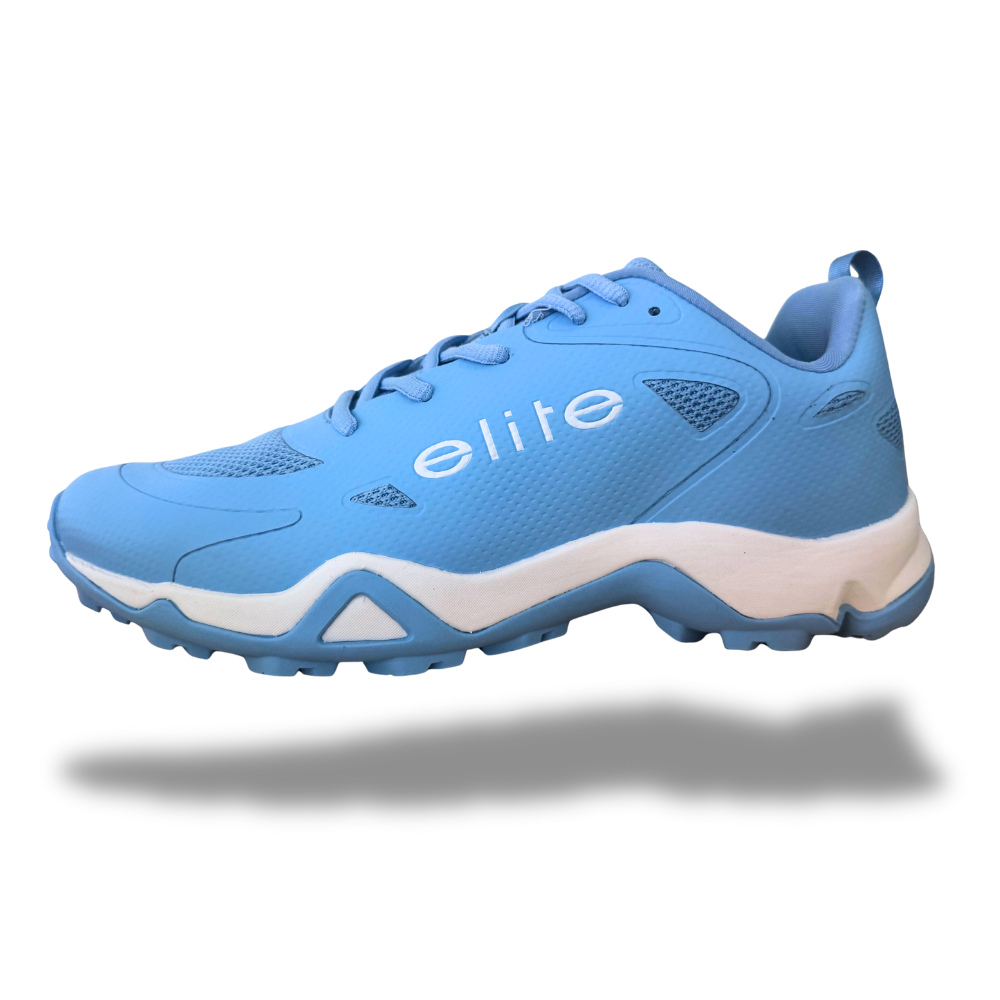
Some turf shoes use a traditional rubber nub pattern that prioritizes comfort, easy pivoting, and reduced joint stress. Others use slightly taller, wider lugs that provide additional grip and first-step traction without fully penetrating the surface like a molded cleat.
Both designs are still considered turf shoes, but they can feel very different depending on how aggressively you move, cut, and swing.
Best for
- Turf-only fields
- Players prioritizing comfort
- Multi-night league players
- Players with knee, ankle, or hip concerns
Molded Cleats
What are molded cleats?
Molded cleats use fixed studs designed to penetrate natural grass. They provide the most aggressive traction, especially in soft or wet conditions.

Pros of molded cleats
- Maximum traction
- Best performance on wet or muddy grass
- Explosive acceleration
- Strong lateral grip in softer surfaces
Cons of molded cleats
- Increased stress on knees and ankles
- Can feel grabby during pivots and rotation
- Often not allowed on turf fields
- Less forgiving during quick directional changes
Best for
- Grass-heavy leagues or tournaments
- Wet or soft field conditions
- Players comfortable with aggressive traction
Trail Runners (The Non-Designed Alternative)

Why some players wear trail runners
Trail running shoes are designed for forward motion on uneven terrain, not rotational or lateral sports. Despite that, some slowpitch players wear them for comfort, cushioning, or versatility.
Where trail runners can work
- Strong straight-line traction in the outfield
- Excellent cushioning for long days
- Comfortable for walking between fields
- Useful for casual or rec-league play
Where trail runners fall short
- Batter’s box: Rounded soles can reduce ground feel during hard swings
- Baserunning: Rocker-style designs may feel unstable when rounding bases
- Lateral cuts: Lug orientation favors forward grip, not side-to-side braking
- Durability: Rotational stress can wear them faster than sport-specific footwear
Best for
- Outfield-only players
- Comfort-first priorities
- Players managing foot or joint pain
Not ideal for
- Infielders
- Power hitters
- Players relying on hard cuts and quick pivots
Outsole Comparison Table
| Footwear Type | Comfort | Traction | Lateral Stability | Best Surface | Best for Position |
|---|---|---|---|---|---|
| Turf Shoes | ⭐⭐⭐⭐ | ⭐⭐⭐ | ⭐⭐⭐⭐ | Turf | Infield, Pitcher |
| Molded Cleats | ⭐⭐ | ⭐⭐⭐⭐⭐ | ⭐⭐⭐ | Grass | Outfield |
| Trail Runners | ⭐⭐⭐⭐ | ⭐⭐⭐ | ⭐⭐ | Turf (limited) | Outfield (situational) |
How to Choose the Right Option
Instead of asking “What’s best?”, ask:
- What surface do I play on most?
- How aggressive are my cuts and swings?
- Do I value comfort or traction more?
- Am I playing multiple nights per week?
The right answer depends on your body, your fields, and your play style.
Final Thoughts
There is no perfect footwear choice for every slowpitch player. Turf shoes, molded cleats, and even trail runners all exist because they solve different problems.
Understanding how outsole design affects traction, comfort, and movement allows players to make informed decisions based on how the game is actually played — not marketing hype. The goal isn’t maximum grip at all costs, but the balance that keeps you confident, comfortable, and healthy over a long season.